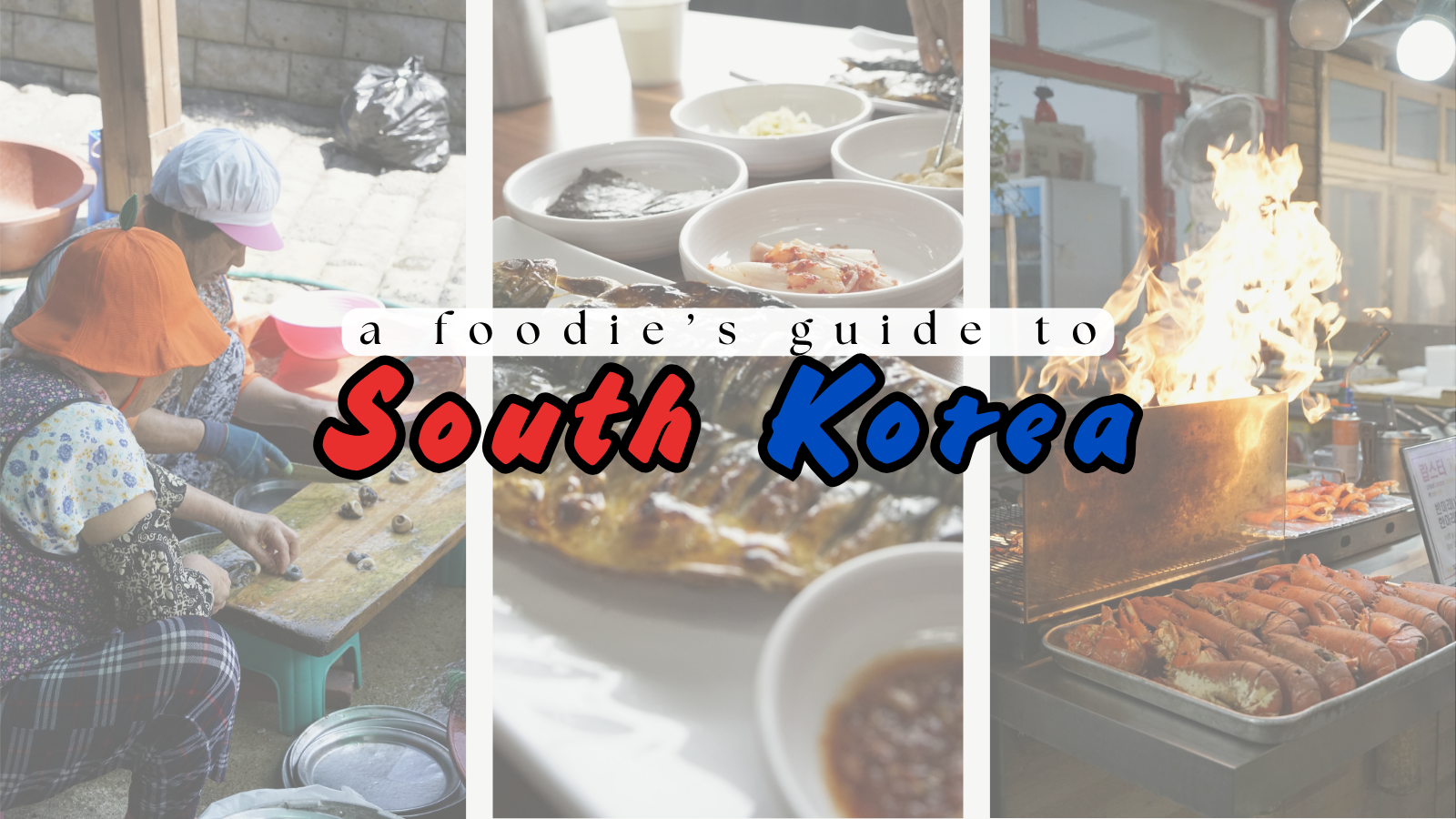
I’d already eaten Korean food before travelling to South Korea… Obviously, eating that same cuisine in the country was a different experience. I was really hyped up for the cuisine. However, because of my dietary requirement (no pork products), eating in South Korea was actually a bit of a challenge. You can definitely find plenty of delicious dishes but the issue I was having was that I was completely unprepared and overwhelmed. Maybe it was where I was going but there were plenty of dishes that had components of pork or offal in them.
Food is part of the travel experience here. As you could imagine, not everything was my cup of tea… however, despite my personal setbacks, I did manage to find dishes that I thoroughly enjoyed. So rather than giving you a list of every Korean dish that exists, here’s the Korean food I think is actually worth trying when you visit South Korea, what it is and what I thought of it.
Disclaimer: Some links earn me a small commission – same price for you, slightly less tragic bank balance for me.
What is Banchan 반찬?
Before we get into it, we need to talk about what is banchan because you will come across it. You’ll often sit down ordering one dish and before you know it, the table starts filling up with tiny plates… these are known as banchan – small side dishes served alongside your main meal. Banchan dishes are often set in the middle to be shared or sometimes you’ll get individual portions. They can include things like:
-
- Kimchi
- Pickled vegetables
- Seasoned spinach
- Bean sprouts
- Potato
- Seaweed
- Various fermented or preserved vegetables
They are generally included with your meal rather. Many restaurants will happily give you more if asked. Some casual restaurants have a self service refill station.
Korean food to try in South Korea
Korean BBQ 고기구이

If you’ve never experienced Korean BBQ before, this is the one I’d put at the top of your list. Rather than ordering a plate of food that arrives fully cooked, there’s a grill built into the table and you can either cook the meat yourself or one of the staff members will do it for you. Like many good Korean meals, you’ll get a number of little side dishes called banchan, along with lettuce, garlic, sauces and other accompaniments.
There are different types of K-BBQ out there but you’ll commonly see galbi 갈비 (short ribs), sirloin, tenderloin, bulgogi 불고기 (thinly sliced marinated beef). And yes, the pork belly is probably one of the most famous versions. However, you’re like me and don’t eat pork, don’t worry… There are plenty of beef options available. I found a chain called Wangbijip which served a lot of beef options.
I was a little confused when I first tried it… You actually assemble everything together in the lettuce leaves, add sauce, garlic, whatever you feel like that’s on the table. It is a splurge but I reckon it’s worth trying at least once.
Bibimbap 비빔밥

Bibimbap is a classic dish and an easy one to start with if you’re unsure what to order. Bap 밥 means cooked rice. It’s essentially various vegetables, meat, egg and gochujang 고추장 (fermented red chili paste) served on top rice. You’re expected to mix everything together before eating it. It’s really enjoyable and you get a bit of everything in every bite.
There are different versions of bibimbap. Dolsot bibimbap is the one served in a hot stone bowl. The rice continues cooking against the bowl and you get these crispy bits of rice.
Korean Fried Chicken 치킨

I love chicken. And Korean fried chicken actually tastes quite different from the usual options you get back home. The chicken is usually fried twice with a really crispy coating and covered in different sauces. The flavours you can get are: original/classic (without anything), sweet + spicy, soy garlic. Those seem to be really popular.
Chimaek 치맥 is chicken and beer. A classic pairing. It’s really popular to see South Koreans ordering this during casual social gatherings and on weekends. There are plenty of different joints you can find this at, some popular places are: Kyochon and BHC. You can also find plenty of smaller joints serving it.
Seafood in South Korea
South Korea has a huge coastline and seafood is ingrained into the country’s food culture, especially in coastal towns/cities like Busan or Jeju Island. We found both of these places full of markets and seafood restaurants.
Maekbanseog-ojingeo 맥반석 오징어 (dried squid snack)

The only place I saw this was in Jeju. It’s a popular squid snack from along the coastal roads in Jeju. The squid is semi dried before being grilled by the roadside. The snack has a chewy, tender texture and a smoky flavour. We were given a small packet of spicy dipping sauce to have with it.
You eat it by ripping it into little pieces and snacking on the bite-sized pieces. It was good! However, it’s best eaten warm, so don’t save it for later!
Hwal-eo-hoe 활어회 (sliced raw fish)
Thinly sliced raw fish or seafood. It’s easy to compare this to Japanese sashimi but there’s a difference in how the fish is prepared. Hwal-eo-hoe emphasizes freshness. It is prepared from a live fish right before serving… which is why you see large tanks in front of a lot of these Korean seafood restaurants. You can find these places at the seafood markets in Busan or at the Seogwipo Maeil Olle market in Jeju.
The experience can also be completely different from what you’d get ordering seafood in a Western restaurant. You’ll often choose what you want and have it prepared for you rather than selecting something from a conventional menu.

Haemul Ramyeon 해물라면 (seafood ramen)
Another simple but well done dish. It is spicy Korean ramen topped with fresh seafood. I tried haemul ramyeon at the Haenyeo restaurant where the Haenyeo ladies do their performances on Jeju and it was served with freshly caught conch and abalone. It was really flavorful with a hint of spice and rich broth.
The conch and abalone were served with their shells on. However, the lady helped me remove the meat and cut them into bite size pieces. Bless, she even fed me one of the slices. You can even try their famous abalone porridge jeonbokjuk (전복죽).
Haemul Pajeon 해물파전 (seafood pancake)
Haemul means seafood. Pajeon is a type of savoury Korean pancake made with light flour and egg batter. Depending on where you order it, you can find all types of seafood mixed through or even other types of meat if you order a different type of pajeon. It’s crispy along the edges and softer in the middle. The pajeon is accompanied by a dipping sauce.
At the store that I had tried it, some locals recommended pairing it with makgeolli 막걸리 – a Korean rice wine that’s milky in colour and slightly fizzy. Apparently it’s a good combination!

Godeungeo-gui 고등어구이 (grilled mackerel)
This was our first meal on Jeju and I think it set a really high bar for me. It’s a whole mackerel, grilled until the skin is golden and crispy but the meat inside remains really fluffy, moist and delicious. It is served with rice and banchan. In some parts, the mackerel may be glazed. It is a very simple dish but the flavours really shone through.
Korean Street Food
There are so many markets around the country and they are all slightly different to each other. I really enjoyed walking through the markets and seeing what everyone else was eating! To be fair, they all looked delicious.
Kimbap 김밥

For me, the Korean kimbap looked quite similar to the Japanese futomaki. It’s rice, various fillings wrapped up in seaweed and sliced into smaller pieces. We found several versions: vegetables, kimchi, egg, tuna, beef bulgogi and plenty of other combinations. They are affordable and portable.
At one of the street stalls, they also served mini kimbaps which gave you a lot more variety to try!
Hotteok 호떡
I didn’t try this myself but these are a sweet Korean pancake filled with brown sugar, cinnamon, nuts and seeds. I’ve been told they’re crispy on the outside and soft in the middle. But it’s hot so watch out when you bite into one!
Tteokbokki 떡볶이
I can almost guarantee you’ll see this wandering around South Korea. It’s a popular street food, served in a spicy, tangy, red chilli sauce. Tteokbokki itself are chewy rice cakes. They can also be found alongside fish cakes, boiled eggs and other street food.
The texture is interesting. Might be something you need to get used to if you’ve never had it before. It is chewy and soft rather than like rice. It’s a popular choice by locals who want a quick bite!

Eomuk 어묵
Essentially Korean fish cakes served on a skewer in a hot soup (and with tteokbokki). Really common and you’ll see them in plenty of street stalls. It is particularly hearty and makes a very cheap snack while wandering around – although since there’s a soup, I’d recommend sitting down while having it!
Korean Desserts
Bingsu 빙수
Calling this shaved ice doesn’t feel like it does it justice. The ice is fine, fluffy and almost powdery – doesn’t feel like you’re biting through chunks of ice at least! It’s topped with fruits, condensed milk, chewy rice cakes. All depending on what you order. You’ll often see patbingsu 팥빙수 which is served with red bean paste. It’s a really popular dessert, especially in the Korean heat!

Yakgwa 약과
Yakgwa are traditional Korean honey cookies made with wheat flour, honey and oil. They are really dense rather than a light biscuit. I quite enjoyed having mine with a cup of tea of coffee just to cut through the sweetness a little. You’ll see them in some cafes or tea shops.
What Korean food should you try first?
If you’re only planning to be in South Korea for a short time, you can’t try everything (!!!). I found Korean meals surprisingly filling, so don’t expect to tick everything off in a single day. If you’re only planning to be in the country for a few days, these are the dishes I’d prioritise.
1. Korean BBQ – The experience is as important as the food.
2. Bibimbap – Easy introduction to Korean food.
3. Eomuk – quick snack and you’ll be able to try tteokbokki at the same time.
4. Korean fried chicken – feels like it’s all part of the cuisine experience… preferably with beer.
5. Fresh seafood – Particularly if you’re visiting Busan or Jeju.
6. Kimbap – Cheap, easy and perfect for a quick snack or meal.
7. Bingsu – Because you’re gonna need something to cool down with if you’re visiting during summer!
What food should you try in Seoul, Busan and Jeju?
From my experience, this is what I found was unique to each city.
Seoul
Best for: Korean BBQ, street food, fried chicken, kimbap, tteokbokki, bingsu
Busan
Best for: Seafood, hwal-eo-hoe, eomuk and fresh fish.
Jeju Island
Best for: grilled mackerel, abalone, conch, seafood ramen and dried squid.

Still have some questions about Korean Food
Is Korean food spicy?
I was really surprised with how much spice Korean food has. A lot of dishes are made with gochujang, especially the banchan. However, you’ll be able to find options without spice – might take some searching though.
Is Korean food vegetarian friendly?
It can be challenging. Even dishes that appear vegetarian may contain fish sauce, anchovy, shrimp or other seafood ingredients. If you’re vegetarian, it’s worth checking ingredients carefully.
I don’t eat pork. Can I eat Korean Food?
I don’t either and honestly, I struggled finding options at times. I’m not gonna sugarcoat it. Pork isn’t only used as an obvious meat but it can appear in broths, dumplings and stews. If your dietary restrictions are strict, ask before ordering rather than assuming.



Leave a Reply